
Restaurant Pre-Opening Breakdown: A Checklist for Head Chefs
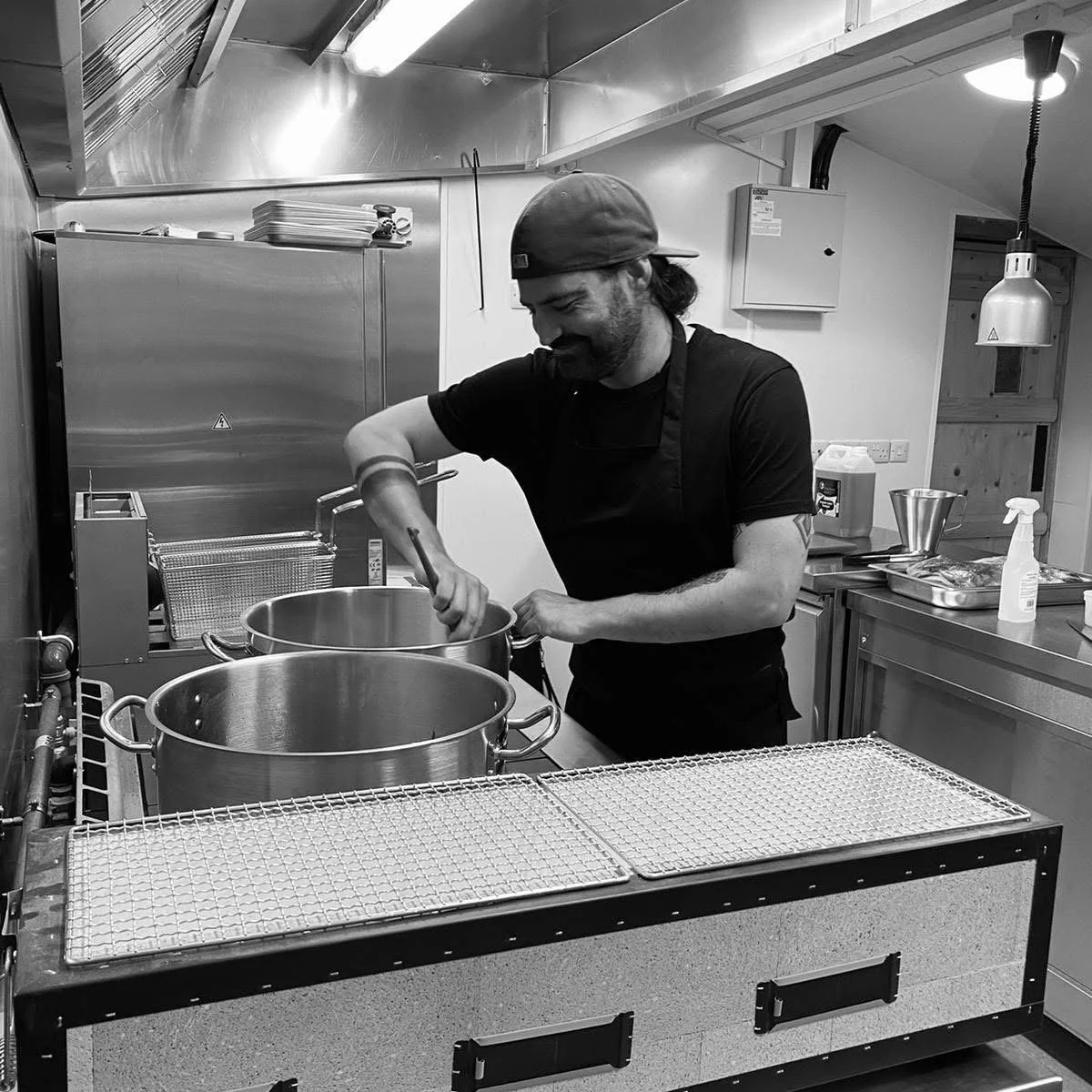
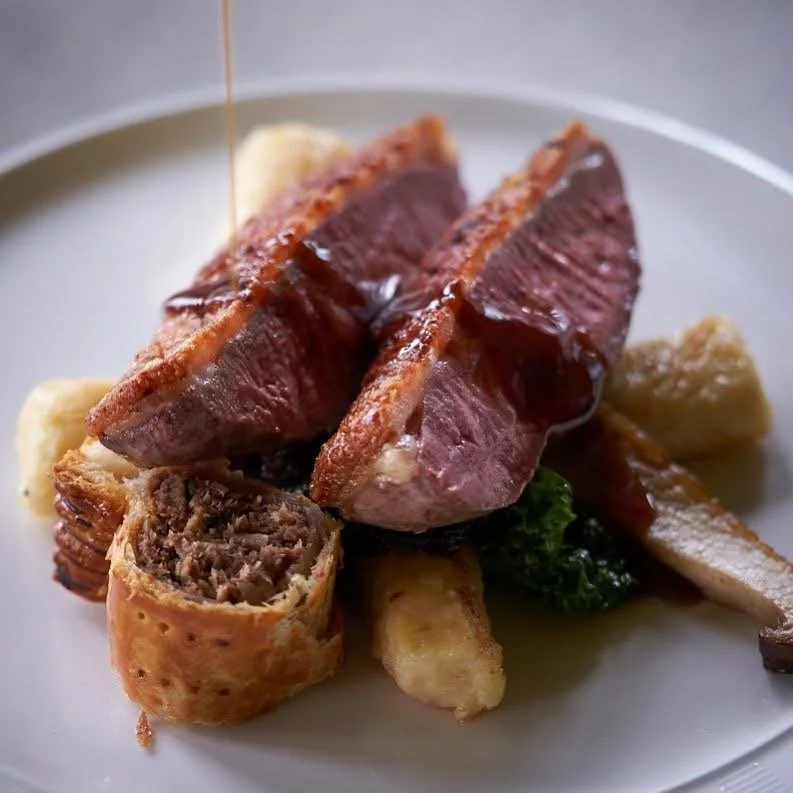
A practical framework for building a kitchen that holds from day one
There’s always a moment before opening where it feels like you’re ready
I’ve been a chef for a long time and have been fortunate enough to be part of a lot of openings large 5-star hotels, boutique sites, relaunches, and completely new concepts.
If there’s one thing I’ve learned, it’s this:
You’re never fully prepared.
Something will always go wrong.
But the difference between a kitchen that holds and one that falls apart is structure. Not effort. Not energy. Structure.
This is not a checklist or a rigid plan.
It’s a breakdown of the key areas that need to be right for a kitchen to actually function when it matters.
Over the next few weeks, I’ll take this further breaking these areas down and going deeper into how they behave in real openings.
For now this is the full picture. In the coming weeks we will look at each topic and go into further detail on each.
1. Concept Clarity
Before anything else, the concept needs to be cohesive.
If the concept doesn’t hold together, nothing else will.
The kitchen sits at the centre of that. It’s not just executing ideas it’s responsible for making the concept work under pressure.
From a kitchen perspective, that means clarity on:
What the food needs to deliver during service
The level of execution expected consistently
What gets simplified and what doesn’t
How the concept behaves at full capacity
If this isn’t clear, everything downstream becomes reactive.
2. Menu Readiness
A finished menu is not a ready menu.
This is where a lot of openings go wrong the food works in development, but not in service.
Every dish tested, costed, and documented
Prep requirements mapped against staffing and realistic demand
Cross-utilisation validated with a clear approach to waste
Ingredient sourcing considered properly, not just creatively
Holding and regeneration understood
Menu size aligned with the team running it
Manuals, recipe books, allergen packs, and ordering systems in place
The menu aligned with service flow, not just the idea
The question is not whether the food is good in a test kitchen.
It’s whether it survives service.
3. Supplier and Receiving Readiness
Confirmed suppliers are not operational suppliers.
Everyone who’s worked in kitchens knows how important suppliers are and how often they end up saving you when something goes wrong.
But that relationship still needs to be structured properly.
It’s not just trust. It’s clarity.
Delivery schedules aligned with prep flow
Product specifications agreed and consistent
Deliveries checked properly, every time
Backup suppliers identified for key items
Receiving process clearly defined and owned
Pricing structure understood from the start
Clear communication expectations both ways
Week one is where supplier issues show up.
4. Kitchen Infrastructure and Smallwares
A kitchen is not ready when it’s installed.
It’s ready when it can run service.
This is usually the part people enjoy building the kitchen, selecting equipment, putting it together.
It’s also where mistakes get locked in early.
You might have been involved in the design, or you might be stepping into something already built. Either way, it has to work.
All equipment installed, tested, and understood
Smallwares properly scoped, not guessed
Layout validated against movement and service flow
Storage practical, accessible, and usable
Critical gaps identified before opening
Most early failures come from friction in the space.
5. Team Structure and Responsibilities
A full team is not a functional team.
You don’t need more people. You need clarity.
Clear section ownership
Defined roles during prep and service
Pass leadership established
Decision-making lines understood
Coverage planned for pressure and absence
Clarity removes hesitation.
Hesitation slows service.
6. Prep Systems and Production Control
Prep cannot live in people’s heads.
This is one of the biggest pressure points in any opening.
Structured prep lists by section
Par levels based on real demand, not guesswork
Production timelines linked to service
Storage and labelling consistent
Handover points between shifts defined
Prep is where service is decided.
7. Documentation and Allergen Control
Verbal knowledge doesn’t scale.
If you want consistency, it has to be written down properly.
Recipe packs standardised and accessible
Key processes written and consistent
Allergen information accurate and usable
Training documents aligned with actual execution
Version control in place
If it isn’t documented, it won’t hold.
8. Service Flow and Pass Logic
The pass is where the operation either works or collapses.
You can have a strong team, good food, and a solid setup — but if this isn’t right, it won’t hold under pressure.
Ticket flow tested under load
Communication structure defined
Timing between sections aligned
Fire times understood, not estimated
Clear escalation when things slip
Service should feel controlled, not reactive.
9. Cost Control Before Launch
You don’t open into profit.
You open into cost pressure.
This needs to be understood before day one, not after.
Dish costing completed and reviewed
Portion control defined and realistic
Waste points identified early
Supplier pricing understood and stable
Margin awareness built into the menu
If this isn’t in place before opening, it’s already late.
10. POS and Order Flow
Technology failures show up immediately in service.
If orders don’t move cleanly, nothing else works.
POS fully programmed and tested
Order routing to the kitchen validated
Printers and screens functioning correctly
Payment systems working across all methods
Basic failure scenarios understood by the team
Orders need to flow cleanly from front to back.
11. Training and Soft Opening Readiness
Training is not explaining dishes.
It’s making sure the team can operate.
Team trained on systems, not just food
Expectations repeated and consistent
Pre-service structure established
Soft opening treated as a live test, not a rehearsal
Adjustments made daily based on reality
If the team is learning during service, you’re already behind.
12. Risk Points Usually Missed
These are where most openings lose control:
No clear transition from prep to service
Overcomplicated menu for the team size
Missing smallwares or storage solutions
Weak communication at the pass
Supplier inconsistency in early days
No ownership of ordering or stock
Unrealistic expectations of team readiness
Most problems are predictable.
They’re just not addressed early enough.
The Gap Between Opening and Operating
Most kitchens don’t fail before opening.
They fail in the first week.
Because what was planned doesn’t hold when:
deliveries are late
staff don’t show
covers spike unexpectedly
equipment behaves differently under load
the pass gets backed up
This is where structure is tested.
If it hasn’t been built properly, it disappears quickly.
Closing
Strong openings don’t come from energy.
They come from structure.
From clarity in the concept.
Discipline in the systems.
Alignment across the team.
The best kitchens don’t feel loud on day one.
They feel controlled.
That doesn’t happen by accident.
It’s built on purpose and with intention.
Smoke & Stone
Smoke & Stone supports restaurants, hotels, and food projects through concept development, kitchen systems, and pre-opening delivery.
If you’re opening a site and want it structured properly from the start, get in touch below.