
Kitchen, Team, Prep What Actually Holds Under Pressure??
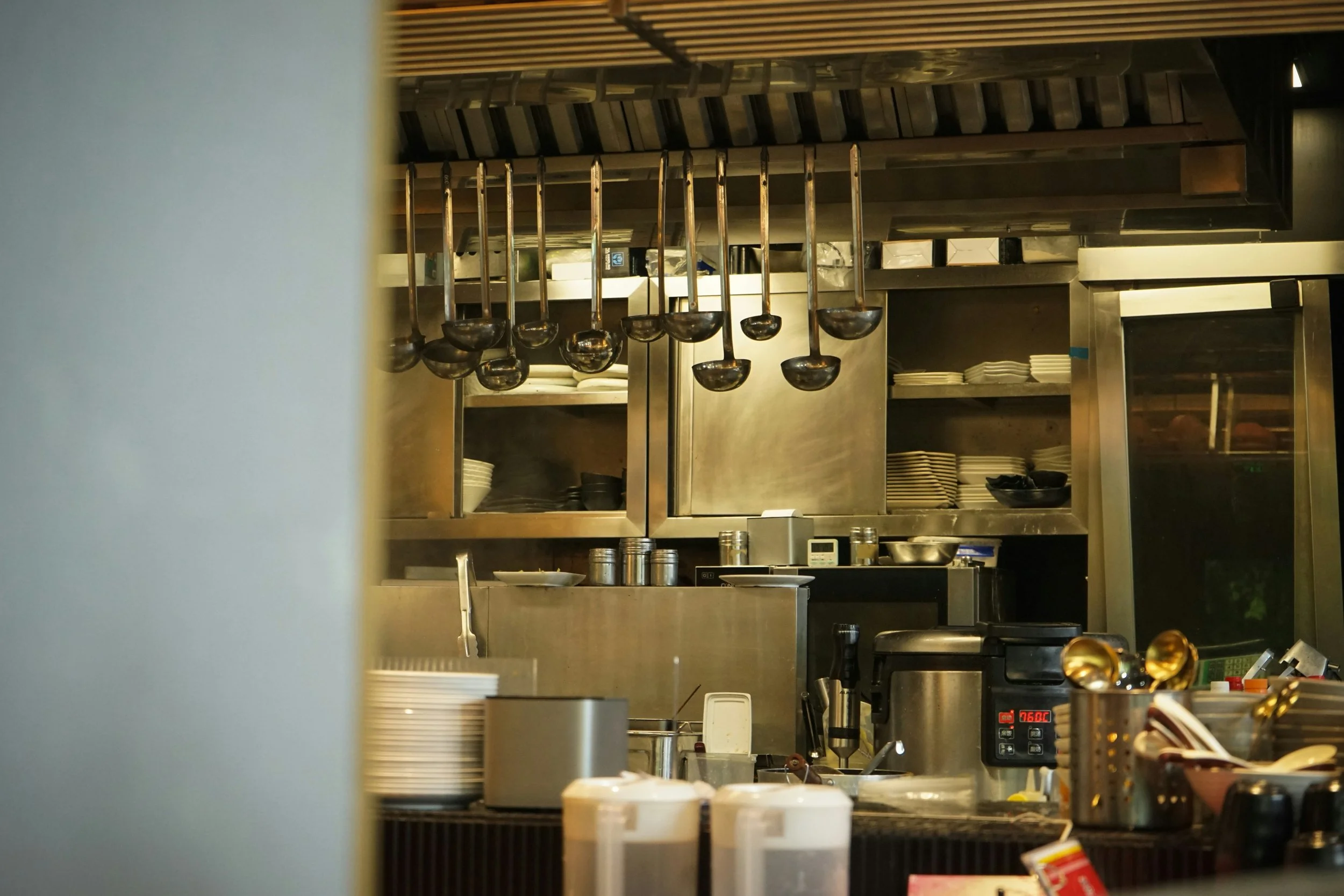
“A kitchen that holds under pressure is built on structure and organisation.”
Welcome back to the Smoke & Stone Journal
Following on from the initial pre-opening breakdown, this series explores the key areas that determine whether a kitchen truly holds once service begins. The first stage of the framework focused on Concept Clarity & Menu Readines are the strategic foundations of any opening. Once these elements are in place, the focus naturally shifts to how the operation is physically and organisationally built to perform.
This entry looks at Kitchen, Team, and Prep the elements that quietly determine whether an operation succeeds or struggles when real pressure arrives.
From a consulting perspective, these are usually the first areas I assess when stepping into a new opening. Over the years, I’ve seen how small misalignments at this stage can shape the outcome of entire projects. Rather than relying solely on what is written in a plan, I observe how the space functions, how the team interacts, and whether the preparation behind the scenes is structured to support service. Where gaps exist, I work with the team to identify practical alternatives and recommend adjustments, always considering how these decisions will influence the flow of the operation in the future.
Kitchen
You can tell very quickly what kind of kitchen you’re dealing with — not by how it looks, but by how it moves. Over the years, I’ve walked into spaces that immediately felt right, with a sense of groove, swagger, and shared understanding. Others, despite impressive size or equipment, struggled because the system behind them was never properly thought through.
A good kitchen has flow. People are not fighting the space, sections make sense, and movement feels natural. Even when busy, it holds its rhythm. Interestingly, some of the most effective kitchens I’ve experienced have been small and constrained, where thoughtful design created efficiency and clarity. Conversely, large kitchens with poorly considered systems can easily strangle an operation.
What I typically look for includes:
Layout that supports movement rather than obstructing it
Storage positioned where it is actually needed
Equipment that enables efficiency instead of causing delays
Small operational gaps that can create constant friction during service
These issues rarely appear significant at first glance, but once service begins, they quickly become defining factors in performance.
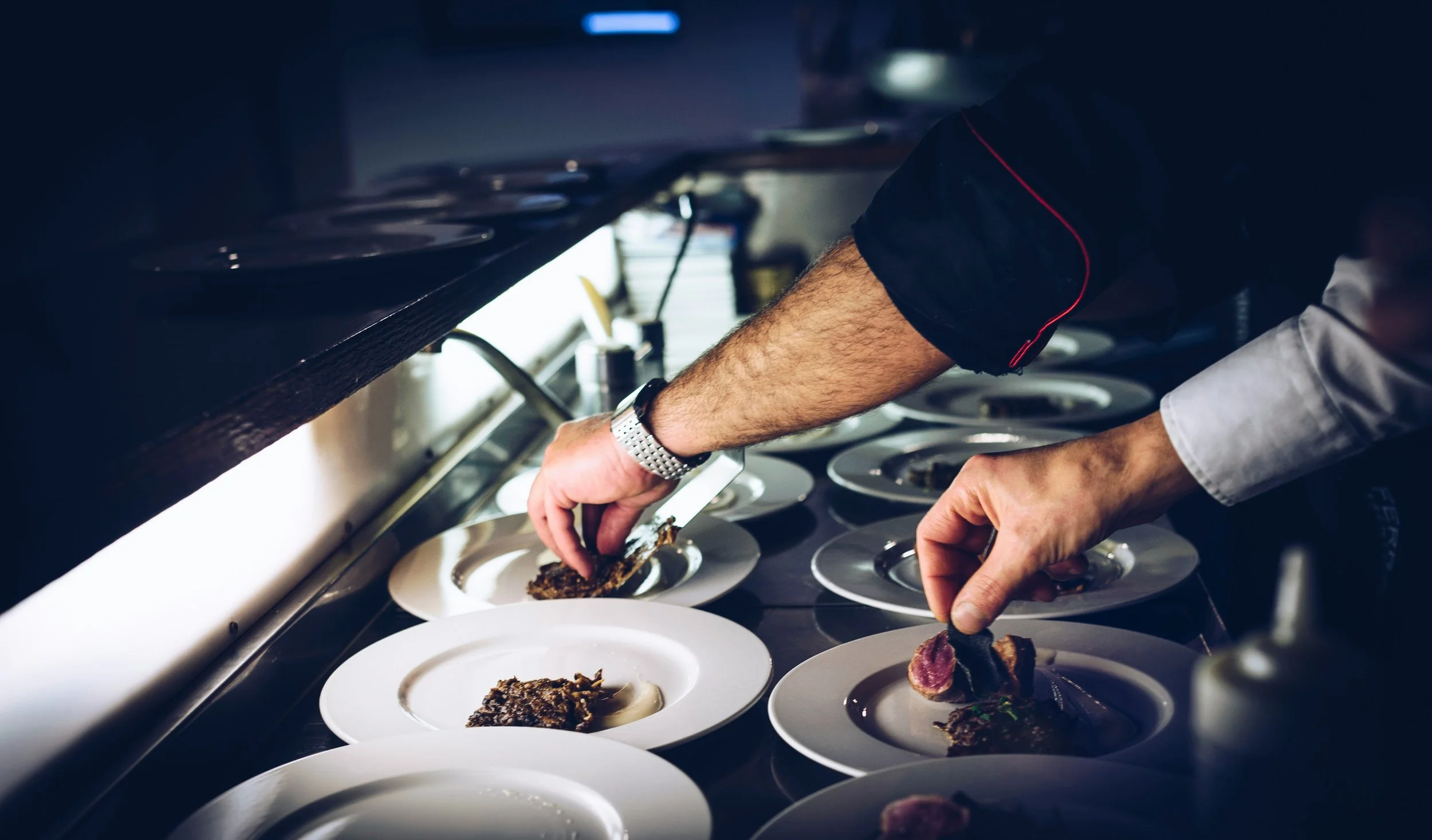
“Preparation is where service is truly decided.”
Team
A strong team is not simply a collection of skilled individuals. What matters most is alignment and clarity of responsibility. In many openings, I’ve seen talented teams struggle because they understood their individual tasks but not how they fit into the wider system. Pressure does not create these issues; it exposes them.
Some of the key indicators of a well-aligned team include:
Clear ownership of each section
Defined leadership at the pass
Understanding of how sections support one another
Confidence in decision-making during busy periods
When these elements are missing, hesitation appears, communication breaks down, and the overall rhythm of the kitchen is lost. When they are present, the team moves with confidence and cohesion, allowing the operation to perform consistently both now and in the future.
Prep
If there is one area that consistently determines the success of an opening, it is preparation. Service rarely fails because of what happens in the moment; it fails because of what was not structured beforehand. Looking back across different openings, the same pattern emerges — when prep is clear and realistic, service flows; when it is not, the kitchen spends the entire shift reacting.
Prep systems need to be realistic, consistent, and aligned with expected demand. Without this foundation, even the most capable teams struggle to maintain consistency.
Common gaps I encounter include:
Prep lists based on assumptions rather than actual demand, often without the tools or training required to support them
Absence of clearly defined par levels
Lack of structured production flow
Poor handovers between or at the end of shifts
When preparation is properly organised, it not only supports present service but also builds resilience for the future.
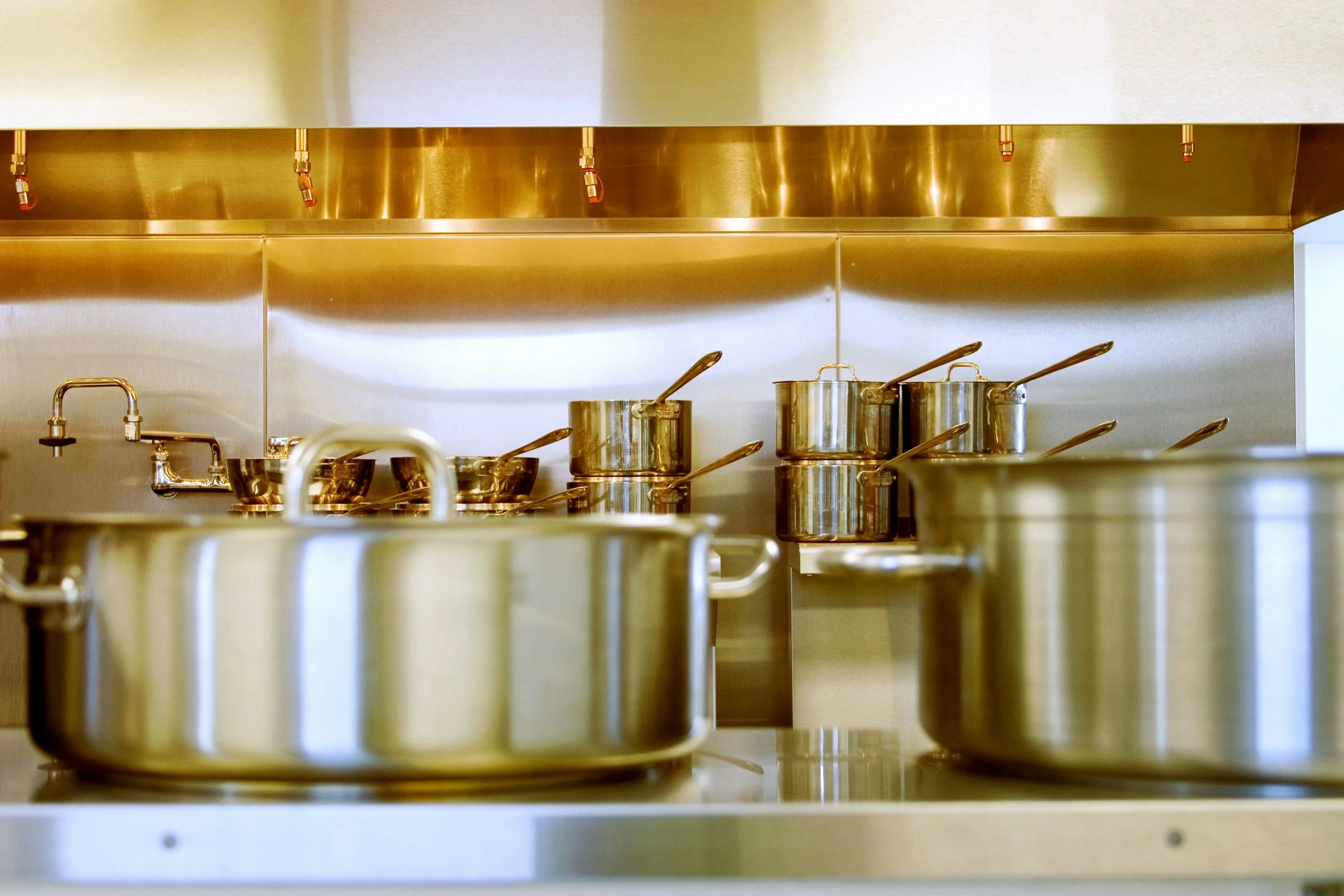
“A well-functioning kitchen does not feel chaotic.”
Where It Breaks
Operational failures are seldom the result of a single major issue. More often, they stem from a combination of smaller misalignments — workflow not fully considered, processes not clearly defined, and teams not operating with shared understanding.
As service intensifies, these gaps become visible. Communication tightens, the pass becomes congested, and decision-making becomes reactive. At this stage, the underlying structure of the operation is truly tested, revealing whether the foundations built in the past are strong enough to support the present and future demands of the business.
Closing
A well-functioning kitchen does not feel chaotic. It moves with rhythm and purpose, much like an orchestra where each individual understands their role and timing. This sense of control is not the result of talent alone; it is built through structure, alignment, and thoughtful preparation.
Strong kitchens are shaped by past experience, strengthened through present execution, and designed to perform in the future. That is the essence of building systems that hold.
Read the full pre-opening breakdown below
Contact Smoke & Stone
Smoke & Stone supports restaurants, hotels, and food projects through concept development, kitchen systems, pre-opening delivery, and ongoing operational support. Whether you’re planning a new opening or looking to strengthen an existing operation, get in touch.